
Whether you're trekking up the active slopes of Mount Tavurvur, taking a boat ride along Rabaul’s serene harbor, or enjoying the hospitality of its warm communities, Rabaul promises an unforgettable journey into a land of contrasts and beauty. This unique destination offers an alluring blend of natural wonders, cultural depth, and historical significance, making it a hidden gem in the Pacific. Come and uncover the secrets of Rabaul – a place where every experience tells a story.
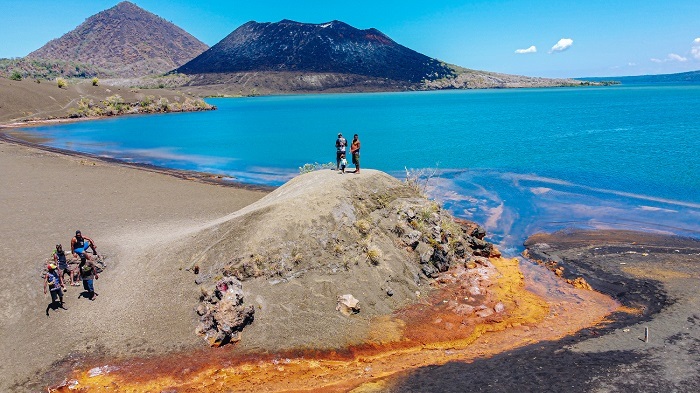
Mount Tavurvur, an active volcano in the vicinity of Simpson Harbor near Rabaul in East New Britain, Papua New Guinea, offers a dramatic experience for tourists. Known for its eruptions, including the major one in 1994 that reshaped the local landscape, Tavurvur remains a remarkable sight with its smoking crater and rugged terrain.
The volcano has a track that adventurers use to hike up to the active crater. Upon reaching the summit, there’s a sense of euphoria and accomplishment—a powerful feeling of conquering the journey and gaining a new perspective on the world.
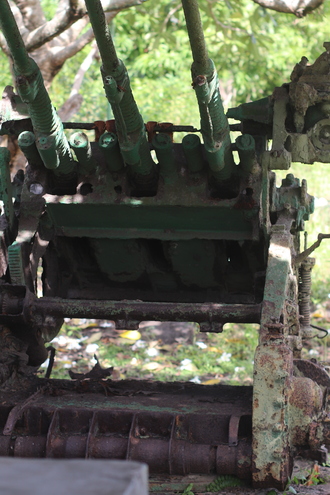
Rabaul is home to some of the most well-preserved World War II relics in the Pacific, particularly from the Japanese occupation. During the war, the Japanese military transformed Rabaul into a significant stronghold, building an extensive network of tunnels beneath the town to protect troops and supplies from aerial attacks. These tunnels, now accessible to visitors, are a fascinating labyrinth filled with remnants of the past, including ammunition storage areas and hospital sites.
Karavi Burge Tunnel - Barge Tunnel Located at Karavia Bay is a testament of the lengths to which the Japanese went to protect and hide their Landing crafts is evident. There are seven Japanese tunnels that were built by POW’s during WWII. Inside these tunnels are three Daihatsu landing crafts that were left after WWII. Locate in the same area is a Japanese Underground Hospital – During WWII the Japanese dug out and built this underground hospital was with a system of tunnels, pulleys, a kitchen, quarters and camp area. These two iconic remains of WWII still remain and is a reminder to the world of what transpired during the war.
Yamamoto bunker – Admiral Isoroku Yamamoto’s bunker is located in the heart of Rabaul Town, of what used to be a bustling township in the early 1900’s now covered by ash from the 1994 volcanic eruption. He commanded the entire Pacific campaign for the Japanese from this bunker during the WWII and orchestrating the bombing of Pearl Harbour from the shelter of this bunker.
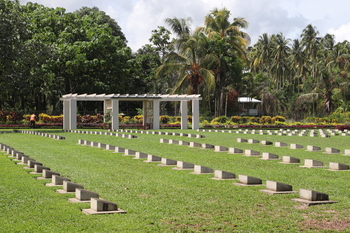
Bitapaka War Cemetery
Nearby, the solemn Bitapaka War Cemetery - It contains the graves of those who lost their lives during the operations in New Britain and New Ireland, or who died in the area while prisoners of war, which were brought into the cemetery from isolated sites, from temporary military cemeteries and from camp burial grounds. The cemetery contains 1,120 Commonwealth burials of the Second World War, 500 of them unidentified. It was unveiled by the Governor-General of Australia, Field Marshal Slim, on 22 October 1953.
This cemetery also contains First World War graves brought in from Rabaul Cemetery in 1950 and from Kokopo Old German Cemetery in 1961. Special memorials commemorate three casualties who were buried in Rabaul Old Civil Cemetery, but whose graves could not be traced following damage to the cemetery during the Japanese occupation. In all, 32 First World War servicemen are now buried or commemorated in the cemetery.
Together, these sites offer visitors a poignant journey through history, providing a glimpse into Rabaul's strategic importance and the profound impact of World War II on this region.
Tamam Heights Cultural Site
The Tolai culture of Rabaul is rich with traditions that reflect a deep respect for heritage, community, and spirituality. Located in the Toma area, near the Mt. Varzin or locally called Mt. Vunakokor is the Toma Cultural site. The sight gives a 360 Degree view of the Gazelle Peninsular which shows the majestic green landscape to the northern part of East New Britian, the Baining Mountain Ranges, the plains that used to be German Coconut Plantations towards Kokopo and a clear bird’s eye view to the southern coast of East New Britain.
The ethnic group that lives in this area are part of the TOLAI people, they showcase Tolai Traditional Dances, the Tolai Traditional Currency (shell money) and the Tolai Traditional Cooking (Aigir).
There are a different variety of Tolai Dances that the site offers;
Central to Tolai society is their unique currency, known as "tabu," made from strings of small shell beads that carry immense cultural and economic significance. Tabu is more than just money; it plays a key role in ceremonial exchanges, including the "Subuna" bride price ceremony, where families honor marriage bonds with exchanges of shell money and other valuables.
During the tour, visitors will be able to;
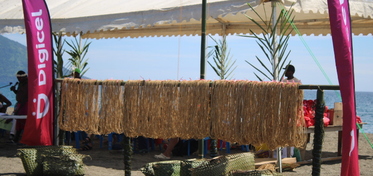
Tolai Shell Money Ceremony
Central to Tolai society is their unique currency, known as "tabu," made from strings of small shell beads that carry immense cultural and economic significance. Tabu is more than just money; it plays a key role in ceremonial exchanges, including the "Subuna" bride price ceremony, where families honor marriage bonds with exchanges of shell money and other valuables.
During the tour, visitors will be able to;
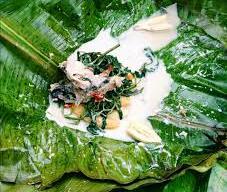
Tolai Aigir
Aigir is a traditional Tolai dish that beautifully captures the flavors of Rabaul. Prepared with freshly caught seafood, such as fish, shellfish, or crabs, Aigir combines these ingredients with locally grown vegetables like sweet potatoes, taro, bananas, and leafy greens. The dish is seasoned with coconut milk, which adds a rich, creamy texture and brings out the natural flavors of the ingredients.
Cooking Aigir often involves wrapping the ingredients in banana leaves and steaming them over an open fire, which infuses the dish with a subtle, smoky aroma. Aigir is more than a meal; it is a cultural experience that brings families and communities together, celebrating the Tolai people’s connection to the land and sea. For visitors, sampling Aigir is a delightful way to explore the unique culinary heritage of the Tolai people and savor the fresh, tropical flavors of Rabaul.